Concrete Driveway Sealing in Seattle, WA
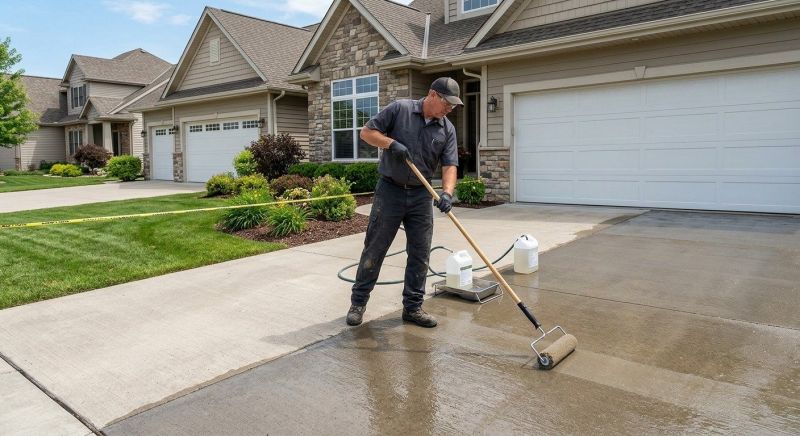
Concrete driveway sealing is a process that involves applying a protective coating to the surface of a concrete driveway to help prevent damage from weather, moisture, and everyday wear. This service is commonly requested for residential driveways, parking areas, and walkways to enhance durability and maintain the appearance over time. Property owners often seek sealing to reduce the risk of cracks, spalling, and staining, ensuring the driveway remains functional and visually appealing for years to come.
Before requesting concrete driveway sealing, homeowners typically want to understand the current condition of the surface, including any existing cracks or damage that may need attention beforehand. It's also helpful to know the types of sealers used, their benefits, and how often reapplication might be necessary to maintain optimal protection. Proper preparation and choosing the right sealing product can contribute to a longer-lasting, attractive driveway that withstands local weather conditions.
Many property owners in Seattle, WA look into Concrete Driveway Sealing for repairs, replacements, upgrades, and appearance-related improvements.
Benefits Of Driveway Sealing
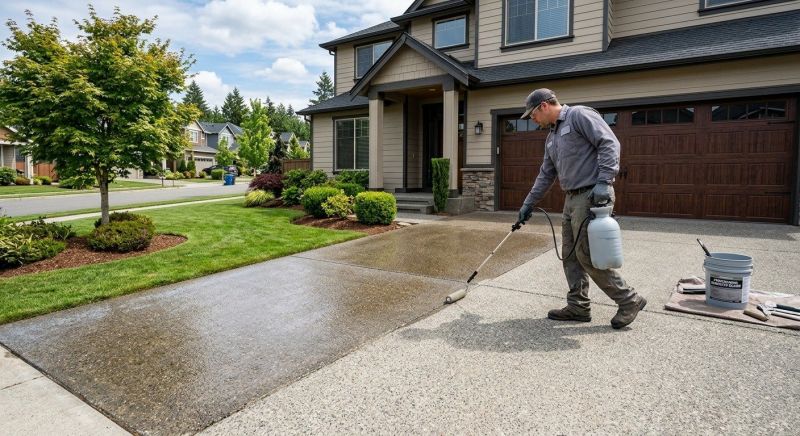
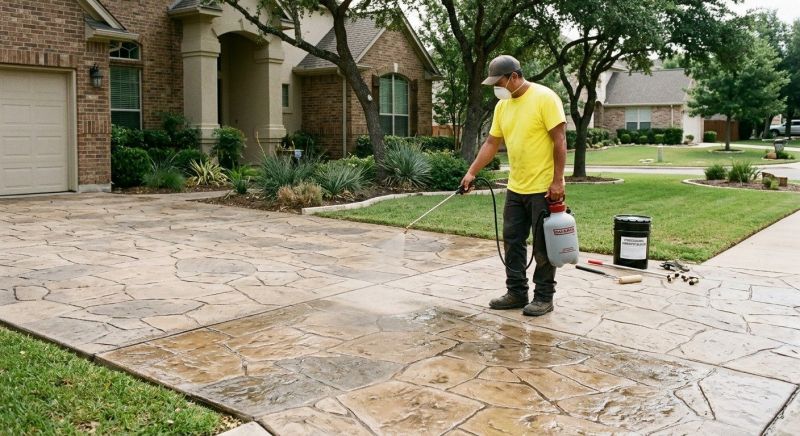
Sealing helps protect concrete driveways from stains, cracks, and weather damage in seattle's climate.
Common Sealing Projects
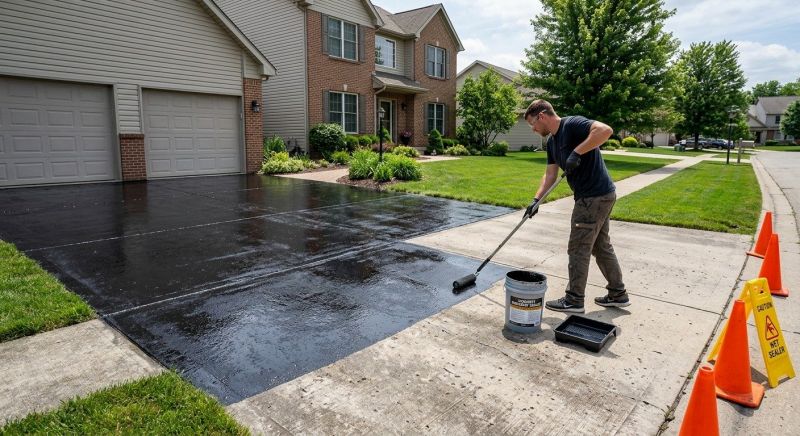
Many homeowners choose sealing to extend the lifespan of new or aged concrete driveways in residential and commercial properties.
Maintenance Tips For Driveways
Regular sealing can improve curb appeal and reduce the need for costly repairs over time in seattle-area homes.
Concrete Driveway Sealing in Seattle, WA

Concrete driveway sealing is a process that involves applying a protective coating to the surface of a concrete driveway to help prevent damage from weather, moisture, and everyday wear. This service is commonly requested for residential driveways, parking areas, and walkways to enhance durability and maintain the appearance over time. Property owners often seek sealing to reduce the risk of cracks, spalling, and staining, ensuring the driveway remains functional and visually appealing for years to come.
Before requesting concrete driveway sealing, homeowners typically want to understand the current condition of the surface, including any existing cracks or damage that may need attention beforehand. It's also helpful to know the types of sealers used, their benefits, and how often reapplication might be necessary to maintain optimal protection. Proper preparation and choosing the right sealing product can contribute to a longer-lasting, attractive driveway that withstands local weather conditions.
Many property owners in Seattle, WA look into Concrete Driveway Sealing for repairs, replacements, upgrades, and appearance-related improvements.
Common Concrete Driveway Sealing Jobs
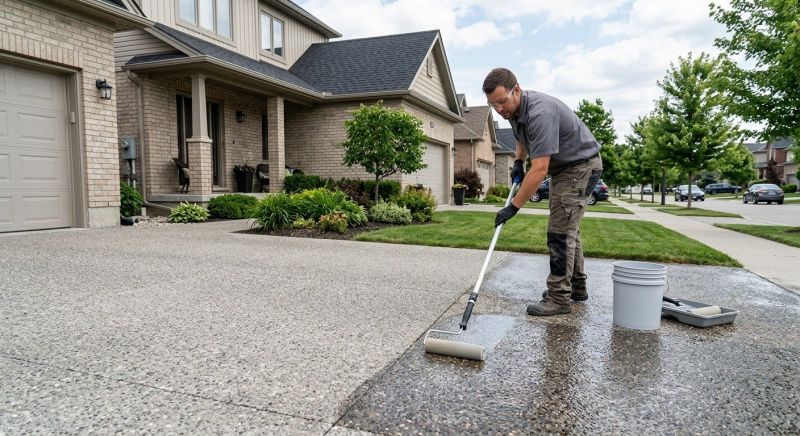
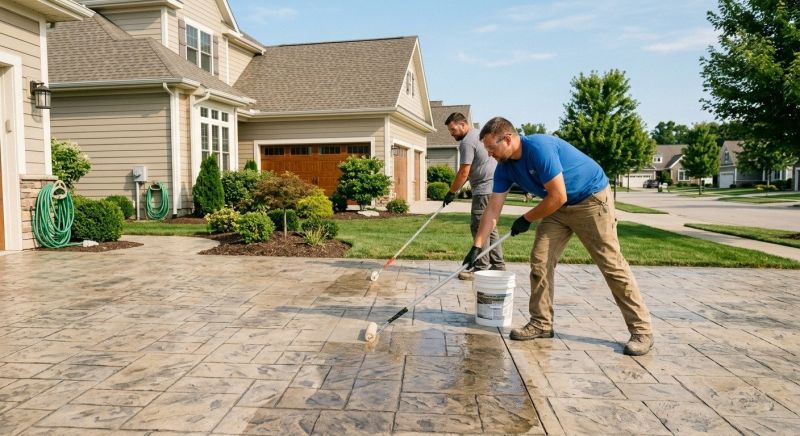
Concrete Driveway Sealing - Protects the surface from stains, cracks, and weather damage.
Driveway Sealcoating - Enhances curb appeal with a fresh, uniform finish.
Crack Filling and Repairs - Prevents water infiltration and further deterioration.
Surface Restoration - Restores the appearance of aged or faded concrete driveways.
Preventative Maintenance - Extends the lifespan of the driveway with regular sealing.
Stain and Oil Resistance - Shields the concrete from common household and automotive spills.
Concrete Driveway Sealing Questions
What is concrete driveway sealing? It involves applying a protective coating to a concrete driveway to enhance durability and appearance.
Why should homeowners consider sealing their driveway? Sealing helps prevent damage from water, stains, and freeze-thaw cycles, extending the driveway's lifespan.
How often is driveway sealing recommended? Typically, sealing is suggested every 2 to 3 years to maintain protection and appearance.
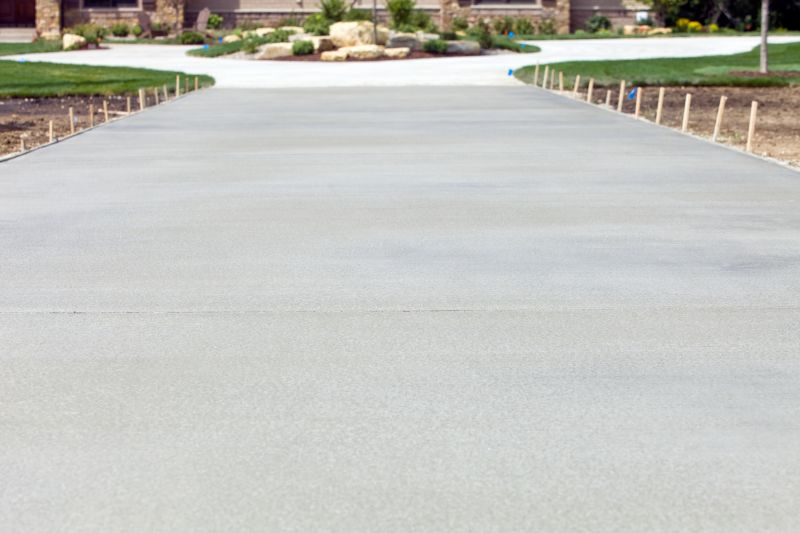
What types of driveway projects benefit from sealing? Sealing is suitable for new or existing concrete driveways that need protection against wear and weathering.
Request Concrete Driveway Sealing in Seattle, WA
Use the quote form on this page to share the basics of your project and request more information for the type of work you need.